Product Introduction
Accidents in industries refer to events that do not occur frequently, but when they do, they can result in catastrophic consequences.
Start-up, shutdown, switching, and other examples of industrial operations are instances where small mistakes or lack of attention can
lead to undesirable and irreversible outcomes.
To prevent such incidents, our specialists have designed and manufactured a device called a mechanical interlock, which
controls the sequence of opening and closing material transfer valves.
To open and close transfer valves, control fluid flow, and perform maintenance on transfer lines,
the use of interlocks is essential to prevent unauthorized operations and
ensure the safety of pipelines and personnel.
In general, interlocks are used for the following purposes:
- Compliance with procedures
- Personnel protection
- Equipment protection
- Environmental protection
Interlock Function and Logic
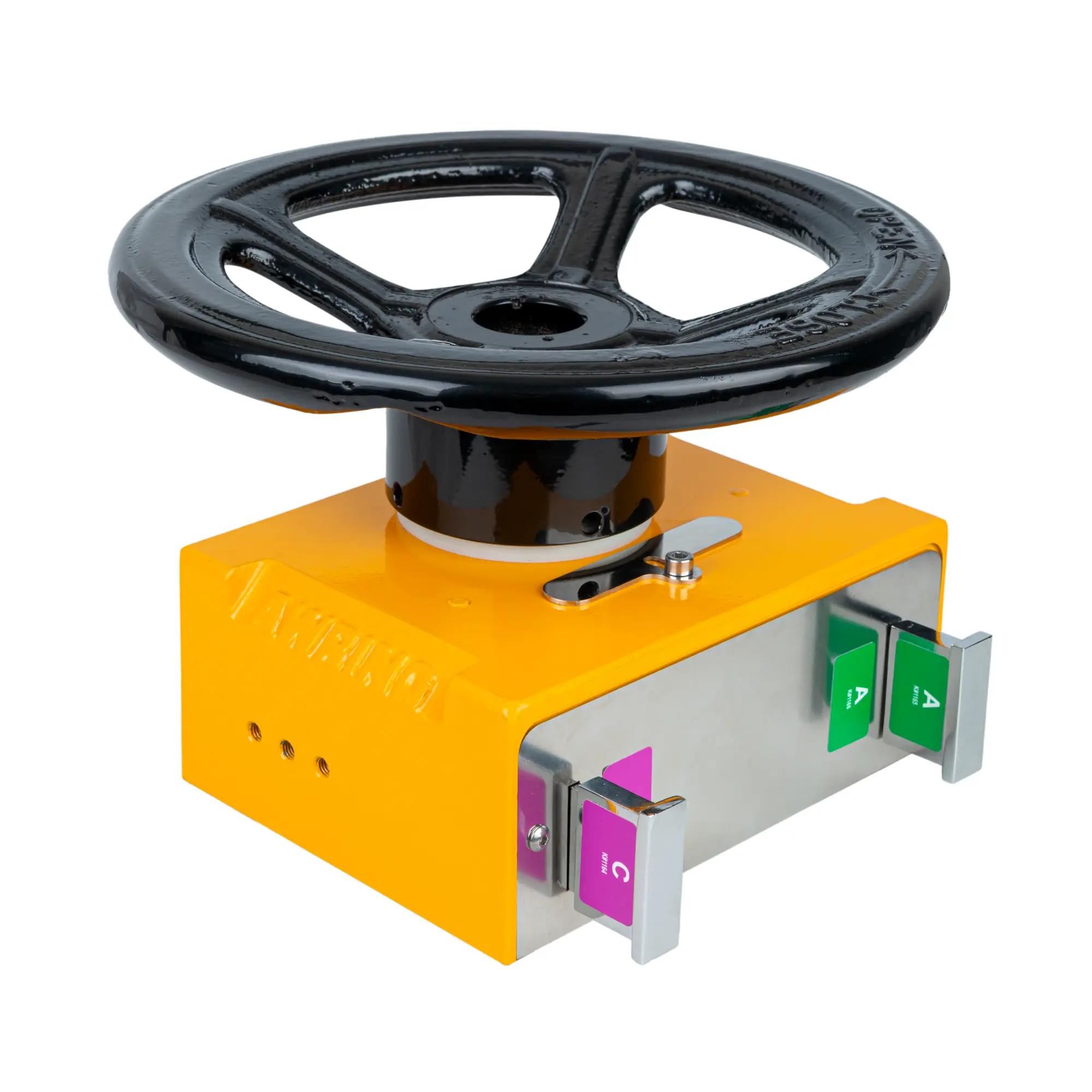
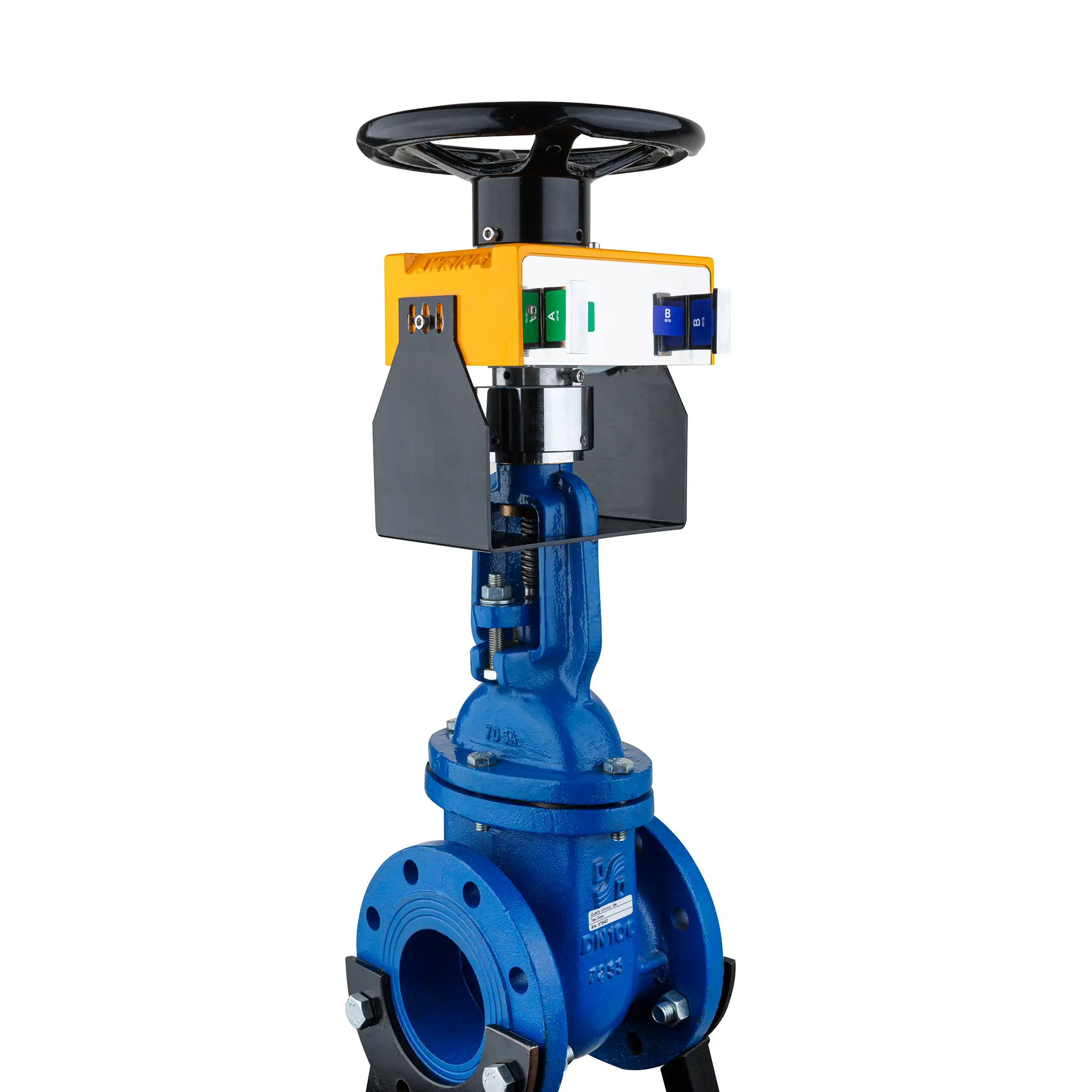
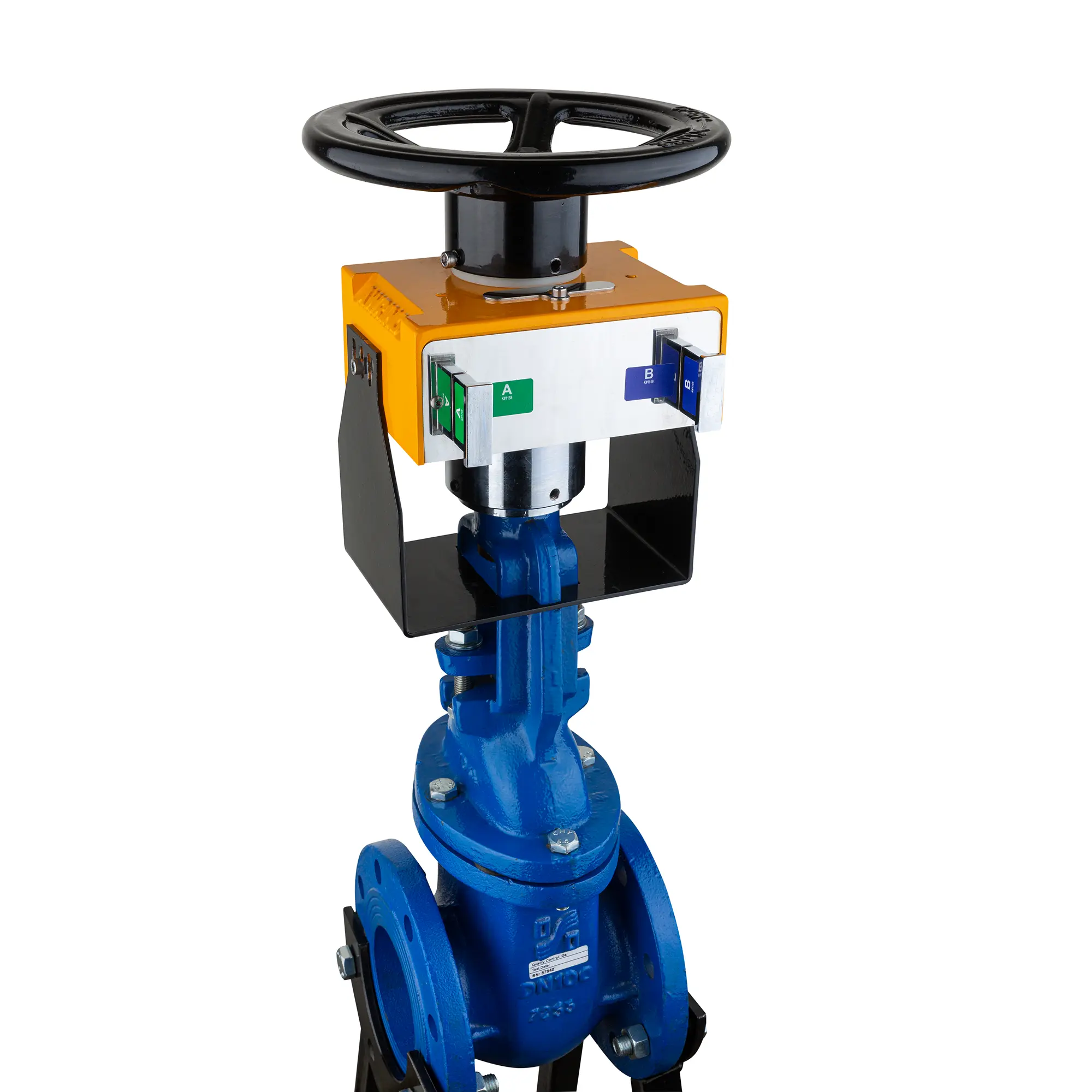
A mechanical interlock is a combination of locks and keys that keeps valves in one or two positions (open or closed).
The interlock and its associated valve operate such that opening or closing the valve is only possible when both keys are inserted into the interlock.
In other words, the valve in its fully closed or fully open position has only one key and remains locked.
Using mechanical interlock systems ensures that equipment operates in a safe sequence and remains in a safe condition.
Interlocks not only control the sequence of opening and closing process valves but also prevent unauthorized operations.
Different types of mechanical interlock systems are designed based on the mechanism of key exchange.
In this system, valves can only be operated in a predetermined sequence to ensure production, safety, and accessibility.
Mechanical interlocks are typically installed on valves, gates, and rotary switches.

Technical Specifications
| Legend |
Full-Rotation Lock |
Quarter-Turn Lock |
Material |
| 1 |
Hand Wheel |
Sliding Lever |
Carbon Steel (Coated) / Stainless Steel |
| 2 |
Body |
Body |
Stainless Steel |
| 3 |
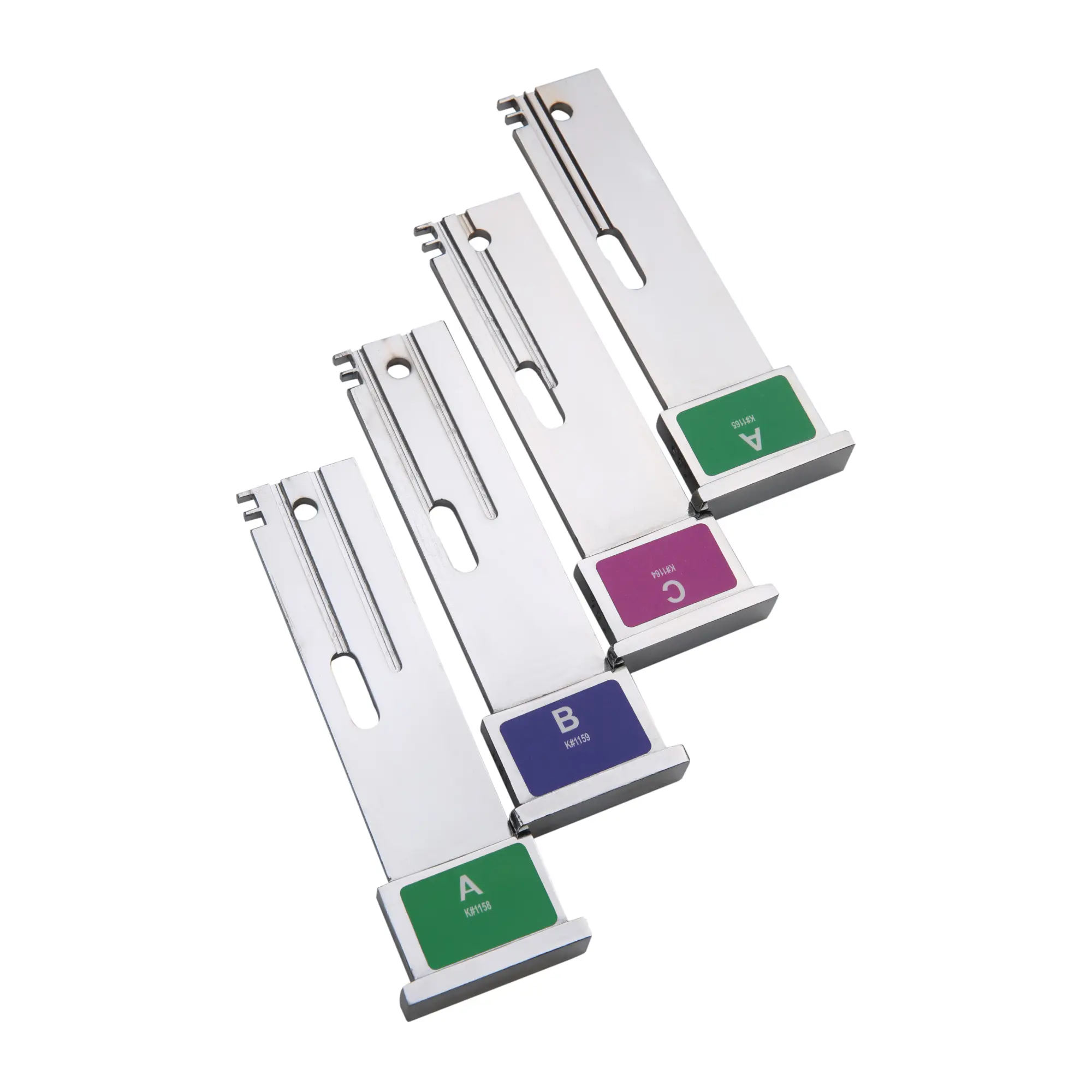
Linear Key |
Linear Key |
Stainless Steel |
| 4 |
Key Slots |
Key Slots |
Stainless Steel |
| 5 |
Connection Means |
Connection Means |
Carbon Steel (Coated) / Stainless Steel |
| 6 |
Adaptor |
Adaptor |
Carbon Steel (Coated) / Stainless Steel |
| 7 |
Bracket |
Bracket |
Carbon Steel (Coated) / Stainless Steel |

| Features |
Keys |
| Permanently Mounted on Valve |
Linear Keys |
| Suitable for All Hand Wheel Operated Applications. |
Uniquely Coded |
| No Grease or Other Lubrication Required |
Key Codes are Registered, for Easy Replacement and to Avoid use of Duplicate Keys |
| Entrance Protection of Key Slots by Self-Sealing Weather Strips |
| Single or Double Key Versions are Available. |
| Mounting |
Spare Keys Available |
| No Alterations to Host Valve Required |
Master Keys Available |
| Custom Made Bracket and Adaptor for Mounting to the Valve |
Colored Tag Marks |
| Original Nut is used if Possible |
Master Key & Master Key Cabinet |
| Can be Mounted in a Live Plant |
Keys are Inserted Linearly and the Internal Locking Mechanism Consists only of Linear Moving Components. |
| Can be Mounted on Each Size of Valve, However to a Maximum Valve Spindle Size of 68 mm. Above That Size, a Customized Interlock is Provided. |